Grandfather Peyote: History, Cultural Significance, and Effects on Consciousness
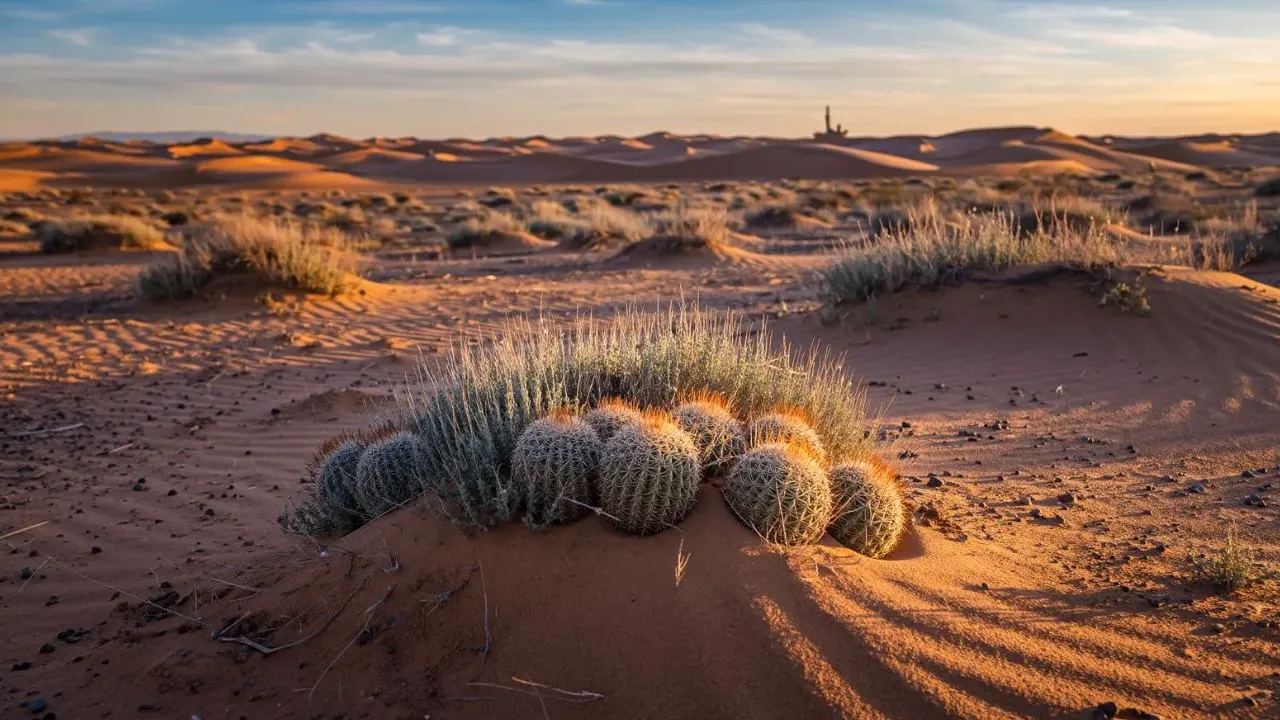
Let’s talk about a plant medicine that comes from a small, button shaped cactus that grows predominantly in Mexico and the southern part of the United States, known as peyote. Peyote is a Spanish word, deriving from the Nahuatl (Aztec language) peyōtl, which means “a thing that glimmers, glows”. The Aztecs used peyote as a religious sacrament (along with psilocybin mushrooms) and viewed the psychedelic cactus as a “divine messenger” - a way of communicating with the gods. Native Americans have known of this plant’s hallucinatory properties for thousands of years, and holds a sacred place in these cultures. There are still over 40 tribes in North American and Western Canada that still use it in sacred religious ceremonies. Let’s take a closer look at this ancient plant, its history, how it works in the body, and some of its known benefits.
Peyote (Lophophora williamsii) is a comparatively small, spineless cactus indigenous to the Rio Grande valley of Texas and to northeastern Mexico. Roma, Texas, is a center for its collection. It is extremely slow to grow, taking more than 10 years to grow to maturity in the wild. Cultivated specimens can grow faster, taking less than three years to grow from a seed to a mature flowering adult. The shape of the psychedelic cactus is like a flattened sphere, with rounded or hump-like bumps. Unlike other cacti, no spines are present. The cactus also produces pink, yellowish, or sometimes reddish flowers, as well as a small edible pink fruit. The peyote head is grayish-green in color and covered with small tufts of silky hairs. It is cut off and dried and is commonly known as a button and erroneously called a mescal button. Scientists agree it is a potential medicinal drug whose properties and effects on the human system are not completely understood.
Archaeologists have found evidence of the plant in graves and in cave art that dates back to 4,000 B.C. The earliest European records mentioning the sacred cactus were written in 1499. As Juan Cardenas, whose insights of the Indies were published in 1591 wrote, “There was another herb … called peyotl. It is white. It is found in the North Country. Those who eat or drink it see visions either frightful or laughable. This intoxication lasts two or three days and then ceases. It is common food of the Chichimeca, for it sustains them and gives them courage to fight and not feel fear nor hunger nor thirst. And they say it protects them from all danger”.
In the US, mescaline/peyote is a schedule I controlled substance, meaning that the law considers it having a high potential for abuse and no currently accepted medical value. The other classic psychedelics like LSD, psilocybin, and DMT are also in this legal category. Peyote has been illegal in the US since the Controlled Substances Act came into effect in 1971. This legislation prohibits, on a federal level, the production, sale, and possession of most psychedelics. However, Native Americans and NAC members are exempt as a result of the American Indian Religious Freedom Act (AIRFA) of 1978 and an amendment made to this law in 1994. This amended Act now protects the use of peyote as a sacrament in traditional religious ceremonies. Native American people and NAC members can legally use, possess, and transport peyote if done so in a religious context. The law recognizes that this psychedelic cactus is integral to the religion, culture, and way of life of many Indian tribes, as well as NAC members.
The peyote plant contains nine narcotic alkaloids of the isoquinoline series, some of them strychnine-like in physiological action, the others morphine-like. The physiological reaction usually is visual hallucinations (frequently color visions), as well as kinaesthetic, olfactory, and auditory derangements. There are no ill after-effects, and the drug is not known to be habit-forming.
People can ingest mescaline in several ways. Eating the dried crowns of the peyote cactus, boiling the cactus to make tea, and taking capsules containing peyote or mescaline are all common ways. There are also synthetic forms of mescaline, which are generally available in the form of capsules. An exact dosage is difficult to quantify, as the plants themselves vary in potency when a person picks them. Once a person ingests it, the body absorbs mescaline rather quickly. The effects may begin in under an hour and can last for around 12 hours. As the body breaks down the mescaline, the effects wear off.
Taking whole peyote or the active alkaloid mescaline produces the psychedelic effects associated with the plant. Mescaline interacts with the 5-HT2A receptors in the brain, which pertain to how the body uses serotonin. These receptors are also the targets of other classic hallucinogens, such as LSD and psilocybin mushrooms. They are likely responsible for the “trip” a person experiences when using these substances.
Dozens of medicinal applications have been attributed to peyote. Taken in small doses, peyote is a mild stimulant and reduces appetite. The medical uses of peyote rest on a fairly sound biochemical foundation. Peyote contains peyocactin, a water soluble, crystalline substance that possesses antiseptic/antibiotic properties against many types of bacteria. Another constituent of peyote, hordenine, inhibits the growth of several strains of Staphylococcus bacteria that are otherwise resistant to penicillin. Peyote was consumed or applied in small doses for a variety of cures. The Tarahumara applied masticated peyote to bites, burns, wounds, and aching muscles. Tarahumara runners chewed fragments of buttons during their epic foot races, which usually spanned long distances from village to village, often exceeding 50 miles. The peyote strengthened them and kept evil forces at bay. It was also used as a topical application to treat fractures, and Tepehuan distance runners rubbed peyote salve on their legs to strengthen them for the race. The Kiowa used peyote for treating the flu, scarlet fever, tuberculosis, and venereal disease. It is also being studied as a possible treatment for PTSD.
Peyote certainly shares similarities with other psychedelics. It has often been likened to a mix between LSD and MDMA. However, this psychedelic cactus also differs in many ways from the classic psychedelics. For example, the headspace of peyote is said to be much more lucid, calm, and easier to navigate than the headspace of, say, LSD or psychedelic mushrooms (psilocybin). Also, while many people associate ayahuasca with a feminine presence (it is often referred to as ‘Mother Ayahuasca’), peyote tends to be tied to a masculine presence (it is also known as ‘Grandfather’).
Despite the fact that peyote and mescaline are illegal in most countries, peyote does not appear to carry any serious physical risks, nor does it carry a potential for abuse. A 2005 study on the ceremonial use of peyote among Native American populations found the psychedelic cactus had no harmful long-term effects. There is no established lethal dose of peyote. One does exist for mescaline, but to reach it, one would have to consume around 20-80 times the effective dose of peyote. The safety issues surrounding peyote have more to do with how the psychedelic cactus might interact with other drugs or particularly vulnerable people.
We have not had the opportunity to experience Peyote, but it is on our short list to experience in the near future. There are so many medicinal plants available and each has its unique way of supporting our mind, body and spirit.